
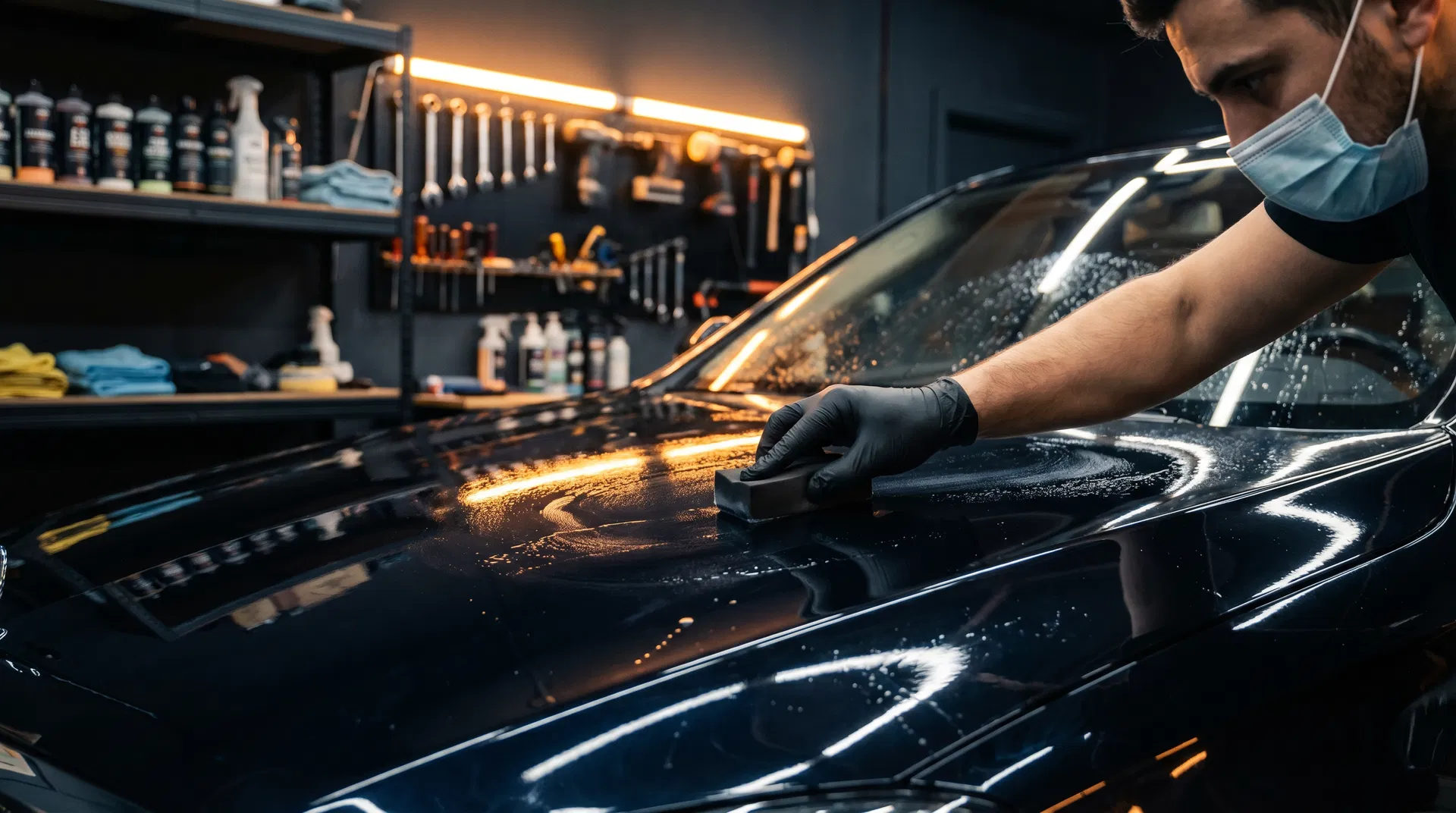
Ceramic Coating vs. Wax: What Melbourne Drivers Need to Know
For decades, car wax was the gold standard in paint protection. A good carnauba wax would give your vehicle a warm, deep shine that turned heads in any car park. But the automotive detailing industry has evolved dramatically, and ceramic coatings have emerged as the new benchmark for long-term paint protection. For Melbourne drivers — particularly those in the southeast suburbs — understanding the difference between these two options is essential for making an informed decision about your vehicle's care.
What Is Car Wax?
Traditional car wax, typically made from carnauba (a natural palm wax) or synthetic polymers, creates a sacrificial layer on top of your vehicle's clear coat. This layer provides a temporary barrier against UV rays, water, and light contaminants. The result is a warm, organic-looking shine that many enthusiasts still prefer for its aesthetic qualities.
A quality wax application typically lasts between four to eight weeks, depending on environmental exposure. In Melbourne's variable climate — where a single week can deliver scorching UV, heavy rain, and cool mornings — wax degrades faster than in more stable environments. For southeast Melbourne drivers navigating the Princes Freeway daily, road spray and brake dust further accelerate wax breakdown.
The cost of a professional wax application ranges from $80 to $150 per session. If you're maintaining protection year-round, that translates to six to twelve applications annually, costing between $480 and $1,800 per year.
What Is Ceramic Coating?
Ceramic coating is a liquid polymer — typically based on silicon dioxide (SiO2) or titanium dioxide (TiO2) — that chemically bonds to your vehicle's clear coat at a molecular level. Unlike wax, which sits on top of the paint, ceramic coating becomes part of the paint surface itself.
This chemical bond creates a semi-permanent layer of protection that is significantly harder and more durable than any wax. Professional-grade ceramic coatings offer protection measured in years, not weeks. A quality 5 to 7-year coating, like those we apply at CommandaPro, provides continuous protection against UV damage, chemical etching, bird droppings, tree sap, and oxidation.
The hydrophobic properties of ceramic coatings are dramatically superior to wax. Water doesn't just bead — it sheets off the surface, carrying dirt and contaminants with it. This self-cleaning effect means your vehicle stays cleaner for longer between washes, and when you do wash, the process is faster and easier.
Cost Comparison Over Time
Here's where the numbers tell the real story. A professional 3-Year Ceramic Coating from CommandaPro starts at $699. Over three years, that's approximately $233 per year for continuous, high-level protection. Compare that to professional waxing at $80-$150 every six to eight weeks — you're looking at $600-$1,200 per year for inferior protection.
A 5 to 7-Year Ceramic Coating starting at $1,299 brings the annual cost down to approximately $185-$260 per year. The longer the coating lasts, the better the value proposition becomes.
Melbourne-Specific Considerations
Melbourne's southeast suburbs present unique challenges that favour ceramic coatings. The Dandenong Ranges generate heavy pollen loads during spring that can etch into unprotected paint. Coastal moisture from Western Port Bay creates salt-laden air that accelerates corrosion. The UV index in Melbourne regularly exceeds 11 during summer — intense enough to cause measurable clear coat degradation on unprotected vehicles.
Ceramic coatings provide superior resistance to all of these factors. The chemical resistance protects against pollen and sap etching. The UV blocking properties prevent oxidation and fading. And the hydrophobic surface repels salt-laden moisture before it can cause damage.
The Verdict
For Melbourne drivers who want the best protection for their investment, ceramic coating is the clear winner. The upfront cost is higher, but the long-term value, convenience, and level of protection far exceed what wax can offer. If you're driving daily through the southeast suburbs, dealing with freeway grime, pollen, and variable weather, ceramic coating isn't a luxury — it's smart maintenance.
At CommandaPro, every ceramic coating application begins with a full paint correction to ensure the coating bonds to a flawless surface. Because there's no point sealing in imperfections.